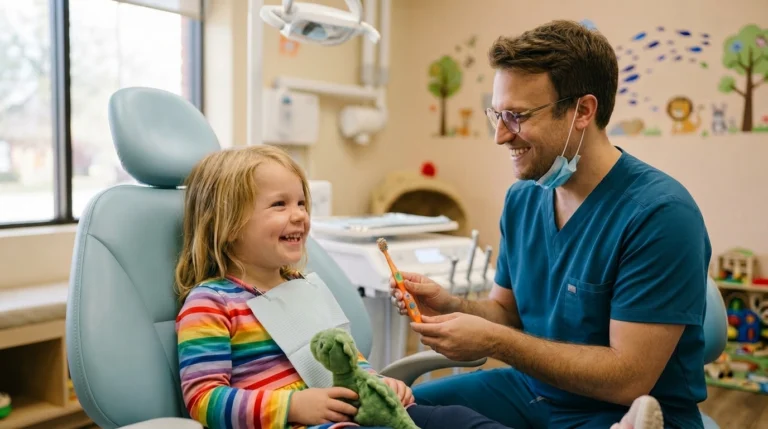

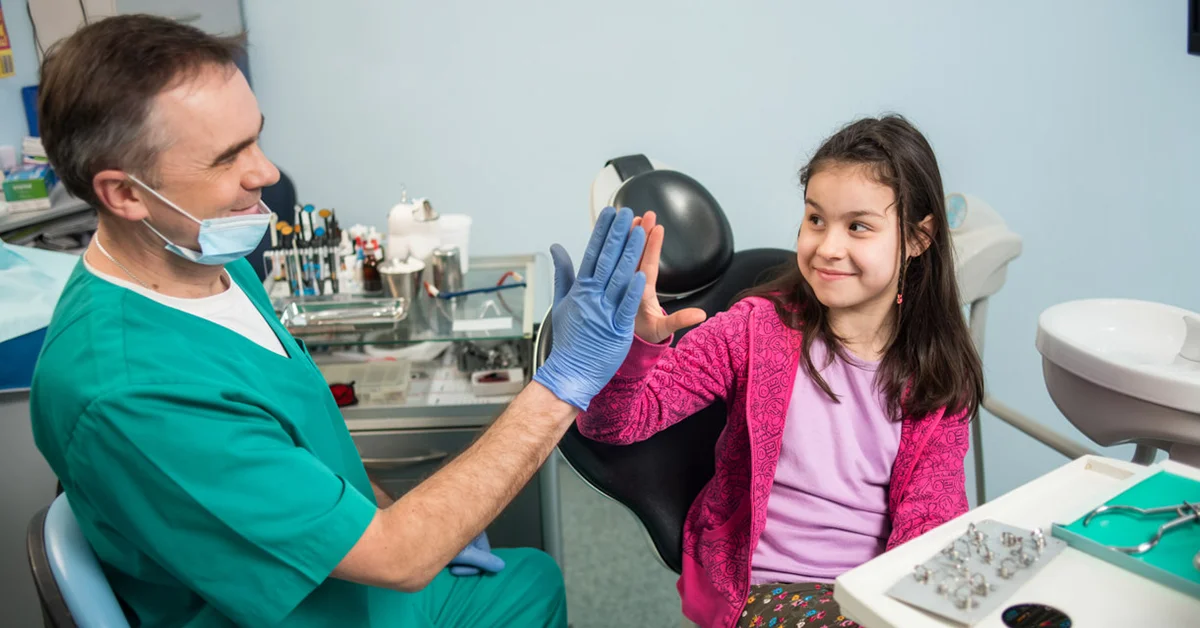
A dental office can be an unfamiliar place for any child. Bright lights, new sounds, unusual tools, and having someone work inside their mouth can feel overwhelming. For children with autism, sensory sensitivities, or dental anxiety, these experiences may make dental visits especially difficult.
Finding a sensory-friendly dentist can make a meaningful difference. With care tailored to your child, dental appointments can become more comfortable and predictable. At Mighty Bites Pediatric Dentistry in Newtown Square, PA, we work with children with special needs and dental anxieties to create a dental experience that helps them feel confident and supported.
What Is a Sensory-Friendly Dentist?
A sensory-friendly dentist understands that the sights, sounds, textures, and physical sensations of a dental visit can affect children differently. Rather than expecting every child to adjust to the same environment and routine, the dentist creates a more flexible experience based on the child’s comfort level.
The approach is not limited to children with a diagnosed condition. It can also benefit children who are generally anxious, sensitive to unfamiliar environments, or hesitant about dental care. The goal is to create a calmer and more predictable experience while gradually building trust.
How a Sensory-Friendly Dentist Supports Children With Special Needs and Dental Anxiety
Children with special healthcare needs or dental anxiety may require more individualized support during dental appointments. This can include children with autism, ADHD, developmental delays, communication challenges, physical disabilities, or a strong fear of the dentist. A sensory-friendly dentist begins by considering how the child communicates, processes information, moves, and responds to stress. Once the dentist understands these needs, the visit can be customized to better support the child.
Here are some examples of how a sensory-friendly dentist can help.
Support for Children With Special Needs
A sensory-friendly dentist can help by:
- Using pictures, gestures, or simple instructions
- Allowing extra processing time
- Adjusting positioning or the dental chair
- Reducing sensitivity to lights, sounds, flavors, or textures
- Following a consistent routine
- Pausing when the child becomes overwhelmed
Parents looking for a dentist for an autistic kid may especially value an approach that considers communication needs, sensory triggers, and difficulty with changes in routine.
Support for Children With Dental Anxiety
A sensory-friendly dentist can help anxious children by:
- Explaining each step before it happens
- Introducing tools gradually
- Offering breaks during the appointment
- Moving at a slower pace
- Praising small accomplishments
- Keeping the visit calm and predictable
These strategies can reduce fear and build trust, making your child more comfortable with the dentist.
How to Prepare Your Child for a Dental Visit
Preparation can help make an unfamiliar experience feel more predictable. The best approach depends on your child, but introducing the idea of the dental visit before the appointment may reduce some uncertainty.
Use Simple, Positive Language
Explain what the dentist will do using calm and straightforward words. You might say that the dentist will count, clean, and check your child’s teeth. Try not to introduce frightening ideas by saying things such as, “It won’t hurt,” if your child has not mentioned pain.
Practice at Home
Let your child practice opening their mouth while you count their teeth with a toothbrush. You can also take turns pretending to be the dentist and the patient. This allows your child to become more familiar with some of the actions involved in an exam.
Use Pictures or a Visual Schedule
Some children benefit from seeing the steps of an appointment in advance. Pictures can show arriving at the office, sitting in the chair, opening the mouth, having the teeth counted, and going home. A visual schedule can make the appointment feel more predictable and help children understand what will happen next.
Bring a Comfort Item
A familiar toy, blanket, headphones, stuffed animal, or another calming item may help your child feel more secure. Ask the dental office beforehand whether your child can use the item during the visit.
Schedule Thoughtfully
Choose an appointment time when your child is usually rested and calm. For some children, an early appointment may be easier because they have not yet become tired or overwhelmed by the day.
What to Do If Your Child Is Afraid of the Dentist
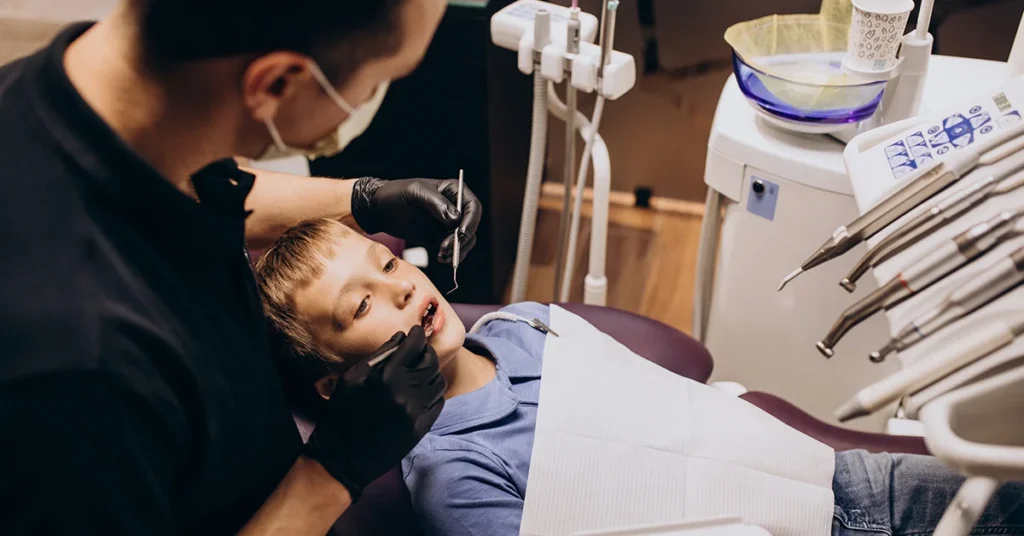
Parents wondering what to do if afraid of dentist visits should begin by acknowledging their child’s feelings. Telling a frightened child that there is nothing to fear may unintentionally make them feel misunderstood. Instead, let your child know that being nervous is okay and that you and the dental team will help them through the experience. Avoid punishing or embarrassing your child for crying, resisting, or needing extra time. Praise small accomplishments, such as entering the office, sitting in the chair, meeting the dental team, or allowing the dentist to count a few teeth.
The first appointment does not always have to accomplish everything. For a child with significant anxiety, simply becoming familiar with the office and dental team can be valuable progress. Over time, repeated positive experiences may help your child develop greater trust and confidence.
How Mighty Bites Supports Children and Families
At Mighty Bites Pediatric Dentistry in Newtown Square, PA, we specialize in special needs dentistry and offer solutions for dental anxiety. We believe every child deserves dental care that respects their individual needs. Our team takes time to listen to parents, learn about each child, and identify strategies that may help the appointment feel peaceful.
We encourage families to tell us about sensory sensitivities, communication needs, developmental differences, medical conditions, previous dental experiences, and anything else that may affect the visit. Our goal is not simply to complete treatment. We want to build trust, support healthy dental habits, and help children develop more positive feelings about dental care.
Ready to Schedule a Sensory-Friendly Dental Visit for Your Child?
Dental anxiety or special healthcare needs should not prevent your child from receiving compassionate oral healthcare. The right preparation and a patient pediatric dental team can help make appointments feel more manageable.
If you are looking for a sensory-friendly dentist in Newtown Square, PA, and surrounding areas, contact Mighty Bites Pediatric Dentistry. We are here to answer your questions, learn about your child’s needs, and help create a dental experience centered on comfort and understanding. Schedule your child’s appointment with Mighty Bites Pediatric Dentistry today.
Frequently Asked Questions
Are sensory-friendly dental visits only for children with a diagnosis?
No. Sensory-friendly care can benefit any child who feels overwhelmed by dental visits, including children with dental anxiety, strong sensitivities, difficulty sitting still, or fear caused by a previous experience.
Can a parent stay with their child during the appointment?
Whether a parent remains in the treatment area may depend on the child’s needs, the procedure, and the dental office’s policies. Some children feel calmer with a parent nearby, while others may respond better when working directly with the dental team.
How long does a sensory-friendly dental appointment take?
The length of the visit depends on the child’s comfort level and the care being provided. Some appointments may require additional time for introductions, explanations, breaks, or gradual transitions.
How often should children with special healthcare needs visit the dentist?
Most children benefit from dental checkups every six months, but some may need more frequent visits based on their oral health, medical conditions, medications, or risk of developing cavities.