
Your child wakes up complaining that their mouth hurts. You take a look inside and spot a small, round, whitish sore on the inside of their cheek or along their gum line. It does not look like a cavity. It does not look like a chip. It looks raw, irritated, and painful, and your child is refusing to eat breakfast because of it.
What you are likely looking at is a canker sore, and while they are rarely serious, they are genuinely uncomfortable for children. Parents in Newtown Square, PA, come to us with this concern regularly, and the questions are almost always the same: What caused this? How do I make it stop hurting? Do we need to come in?
This guide answers all those questions and helps you understand exactly what a canker sore in kids looks like, what triggers it, how to treat canker sores at home, and when professional care is the right call.
What Is a Canker Sore?
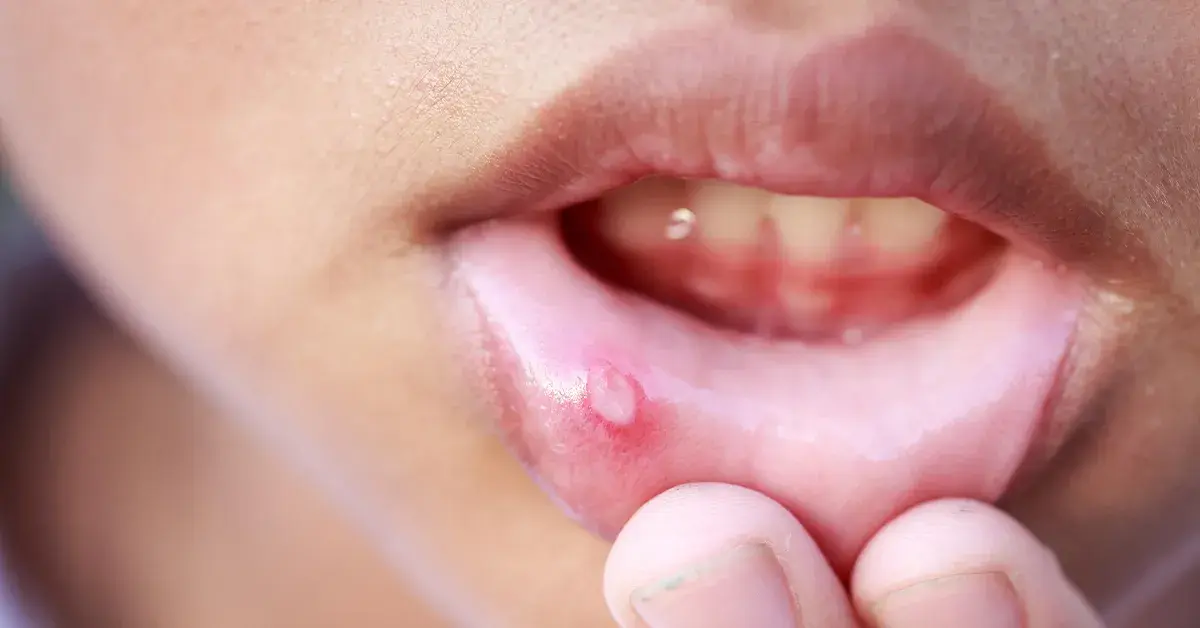
This abcess is a small, shallow ulcer that forms inside the mouth. The medical term is aphthous ulcer, and the condition is also called recurrent aphthous stomatitis. Despite how painful they can feel, canker sores are not contagious. A virus does not cause them, and your child cannot catch one from another person or spread one to someone else.
Canker sores typically appear on soft tissue surfaces inside the mouth, including:
- The inner surface of the lips and cheeks
- The tongue
- The soft palate
- The floor of the mouth
- The gum tissue around the tooth’s base
They usually look round or oval, with a white or yellowish center and a red border. Most canker sores in kids are small, measuring less than a centimeter across, though larger ones do occur and tend to take longer to heal.
They are different from the cold sores, which appear on the outside of the mouth and lips. The primary cause for cold sores is herpes simplex virus, while canker sores form inside the mouth and have no viral cause. This distinction matters because the treatment and contagion risk are completely different.
Canker sores are extremely common. Many children experience their first one before age ten, and some children develop them repeatedly throughout childhood. If your child has had more than one, it does not mean something is seriously wrong. It often means they are simply among the significant portion of the population that is prone to them.
If you are unsure whether what you are seeing is a canker sore, a tooth injury, or something else entirely, our pediatric dentistry team is always available to take a look and give you a clear answer.
What Causes Canker Sores in Kids?
This is the question parents ask most often, and the honest answer is that researchers have not identified a single definitive cause. What is known is that several triggers and contributing factors can set off the development of a canker sore in a susceptible child.
- Minor Oral Injury: One of the most common triggers. A bite to the inside of the cheek, an accidental scratch from a hard food, an aggressive toothbrush stroke, or irritation from dental work can all injure the soft tissue and trigger ulcer formation. Children are particularly prone to this because they move quickly and eat with less awareness of their mouth mechanics.
- Nutritional Deficiencies: Low levels of vitamin B12, folate, iron, or zinc have been associated with an increased frequency of canker sores in both children and adults. If your child has recurring canker sores, it is worth reviewing whether they are getting adequate nutrition across these categories.
- Stress and Fatigue: Children experience stress, too, even if it looks different from adults’. Changes at school, social challenges, big transitions, or even disrupted sleep patterns can lower the immune system’s ability to maintain the tissue lining of the mouth, making sores more likely to appear.
- Food Sensitivities: Certain foods appear to trigger canker sores in susceptible children. Acidic foods are the most common culprits. Some children also react to spicy foods, chocolate, or ingredients like sodium lauryl sulfate, which is found in many toothpastes.
- Hormonal Changes: In older children and teens, particularly adolescent girls, canker sores may appear in connection with hormonal shifts throughout the month.
- Underlying Health Conditions. In some children, recurring canker sores are associated with underlying health issues such as celiac disease, inflammatory bowel disease, or immune system irregularities. If your child is developing canker sores very frequently or if they are unusually large or slow to heal, it is worth mentioning to both your pediatrician and your child’s dental provider.
- Genetics. Canker sores tend to run in families. If one or both parents are prone to them, there is a reasonable chance their children will be too.
Understanding what causes canker sores in kids is the first step toward reducing their frequency. For families in Newtown Square, our team is happy to review your child’s oral health habits and nutritional patterns as part of a broader preventive care conversation.
What Does a Canker Sore Feel Like for a Child?
Children often have difficulty describing oral pain with precision, which can make it hard for parents to identify what is happening. Here is what a canker sore typically feels like from a child’s perspective:
A burning or tingling sensation often begins one to two days before the sore becomes visible. Once it appears, the sore is tender to the touch and becomes more painful with contact, especially when eating acidic, salty, or spicy foods. Drinking citrus juice, eating crunchy foods, or brushing near the area can cause sharp, stinging pain.
Some children describe it as a constant low-level ache that spikes into sharper pain when the area is disturbed. Sores near moving areas of the mouth, such as the inside of the cheek or the underside of the tongue, tend to be more painful because they are touched more often.
Most minor canker sores in kids heal on their own within seven to fourteen days without leaving any scar tissue. Larger sores, called major aphthous ulcers, can take up to six weeks to heal and may leave some minor scarring.
Canker Sore Treatment for Kids: What Actually Helps
There is no cure for canker sores, and no treatment makes them disappear overnight. However, several evidence-based approaches can reduce pain, speed up healing, and help your child get through the days more comfortably.
Saltwater rinses. A simple saltwater rinse is one of the most reliable home remedies for relieving canker sores in children old enough to rinse and spit. Dissolve half a teaspoon of table salt in eight ounces of warm water and have your child rinse for 30 to 60 seconds, two to three times a day. Salt has mild antimicrobial properties and helps reduce inflammation in the tissue.
Baking soda rinse. Like saltwater, a baking soda rinse can help neutralize the very acidic environment in the mouth that worsens canker sore pain. Mix 1 teaspoon of baking soda into almost half a cup of warm water and use it as a rinse.
Cold foods for pain relief. Cold temperatures temporarily numb irritated tissue. Offering your child cold water, ice chips, or yogurt when the sore bothers them can provide short-term relief without medication.
Avoiding irritating foods. While a canker sore is present, steer your child away from citrus fruits, tomatoes, vinegar-based foods, chips, and anything spicy or very salty. These food categories reliably aggravate the tissue and slow the healing process.
Soft diet during healing. Making meals softer while the sore is active reduces contact with the wound, making eating less painful. Oatmeal, mashed potatoes, scrambled eggs, smoothies, and soup are all good options that keep your child nourished without causing unnecessary pain.
Gentle brushing. Use a soft-bristled toothbrush and brush carefully around the sore. Avoiding direct contact with the ulcer while brushing will significantly reduce irritation. For cooperative children, switching to a toothpaste that does not contain sodium lauryl sulfate during the healing period can also help, as this ingredient can irritate ulcers in some children.
Visit our preventive care page for more guidance on at-home oral hygiene habits that support your child’s comfort and health between dental visits.
Canker Sore Medicine for Kids: What Are the Options?
When home remedies do not provide sufficient relief, several over-the-counter and prescription options are available. Always check with your child’s doctor or dentist before using any oral medication on a young child.
Topical anesthetics. Products containing benzocaine, such as Orabase or Anbesol, can temporarily numb the sore and provide meaningful pain relief. These are applied directly to the ulcer with a cotton swab. Benzocaine-containing products should not be used in children under two years of age, and you should follow dosing instructions carefully in young children.
Oral pain relievers. Children’s ibuprofen or acetaminophen, dosed appropriately for your child’s age and weight, can help manage the systemic discomfort of a particularly painful sore. This is especially useful at mealtimes or before bedtime when the pain disrupts eating or sleep.
Hydrogen peroxide gel. Some over-the-counter products use diluted hydrogen peroxide to clean the ulcer and reduce bacterial irritation. These are available as gels that can be applied directly to the sore.
Prescription treatments. For children with severe, recurring, or unusually large canker sores, a dentist may prescribe a topical corticosteroid to reduce inflammation and speed healing, or in some cases, a prescription-strength mouth rinse. These are not typically needed for routine canker sores but are available when the condition significantly affects your child’s quality of life or nutrition.
When to involve the dentist in treatment. If your child’s sore has lasted more than two weeks, is large enough to affect eating and speaking, or is accompanied by fever, swollen lymph nodes, or other symptoms, bring your child in for an evaluation. Our pediatric dental emergency services are available for situations that cannot wait for a routine appointment.
How to Treat Canker Sores in Kids: A Day-by-Day Approach
Knowing how to treat canker sores in kids is as much about managing the days of discomfort as it is about any single remedy. Here is a practical day-by-day framework parents can follow:
Days 1 to 2 (Tingling or burning sensation begins): Watch for early warning signs. If your child complains of a burning feeling inside the mouth, start saltwater rinses immediately. Some research suggests that intervening at this stage may reduce the severity of the sore once it fully appears. Offer softer foods at meals and remind your child not to touch the area with their tongue or fingers.
Days 3 to 5 (Sore is most painful): This is typically the period of peak discomfort. Use topical anesthetics before meals if needed to help your child eat without significant pain. Continue salt or baking soda rinses two to three times daily. Avoid acidic and crunchy foods entirely. Maintain gentle brushing twice a day and praise your child for cooperating with their oral hygiene routine despite the discomfort. Our Dentistry 101 guide has helpful context for parents on building positive oral hygiene habits even during challenging times.
Days 6 to 10 (Healing underway): The sore should begin to shrink and become less painful. Continue rinses and soft foods as needed. Reintroduce normal foods gradually as comfort allows. Watch to make sure the sore is visibly improving.
Day 14 (Should be healed): Most minor canker sores resolve completely within two weeks. If the sore is still present and not clearly healing, schedule an appointment. A sore that does not heal within two weeks should be evaluated to rule out other causes.
Canker Sores vs. Other Mouth Sores in Kids: Knowing the Difference
Not every mouth sore in a child is a canker sore. Knowing the difference can save you unnecessary worry or help you identify a condition that does need prompt attention.
Cold Sores: They are also commonly known as fever blisters and the herpes simplex virus. They appear on the outside of the mouth, typically on or around the lips. They often begin as clusters of small fluid-filled blisters before breaking open and crusting over. Cold sores are viral, hence contagious, as they can spread through contact. They are not treated the same way as canker sores.
Dental Abscess: An abscess is an infection, usually bacterial, that forms in or around a tooth or in the gum tissue. It typically appears as a swollen, pimple-like bump on the gum, often near an infected or injured tooth. Unlike a canker sore, an abscess is a dental emergency that requires professional treatment and should not be left to resolve on its own. If you suspect your child has an abscess rather than a canker sore, contact our office right away through our pediatric dental emergencies page.
Oral Thrush: This health condition is caused by a fungus called Candida. In this fungal infection, white, creamy patches are formed on the tongue and inner cheeks. Thrush patches are not ulcer-shaped, and they spread across broader areas of the soft tissue.
Gum irritation from dental trauma. A bump or bruise on the gum from an injury looks different from a canker sore and usually appears at the site of contact rather than on soft tissue surfaces. If your child has had a fall or an oral injury, our team can quickly evaluate any resulting damage. For families dealing with tooth injuries, our pediatric dental emergency services are available for prompt assessment.
Can Canker Sores in Kids Be Prevented?
Because the cause is not always identifiable, prevention is not always possible. However, there are practical steps that reduce how often children prone to canker sores develop them.
Keep up with nutrition. A balanced diet that includes vitamins B12 and folate, as well as iron and zinc, supports the integrity of oral tissues. If your child is a picky eater and you are concerned about nutritional gaps, speak with your pediatrician about whether supplementation is appropriate.
Switch to a sodium lauryl sulfate-free toothpaste. Some children who develop canker sores frequently show improvement when they switch to toothpastes that do not contain this common foaming ingredient. There are quality fluoride toothpastes available without it.
Reduce trauma to the mouth. Encourage your child to chew more slowly and carefully. Make sure their toothbrush is soft-bristled and appropriately sized for their age. If your child plays contact sports, a properly fitted mouthguard can prevent the kind of minor oral trauma that sometimes triggers canker sores.
Manage stress in age-appropriate ways. Consistent sleep schedules, physical activity, and routines that give children a sense of predictability and control can support their normal immune response.
Avoid known food triggers. If you notice a pattern between certain foods and canker sore outbreaks in your child, keep a short log of what they ate in the day or two before each sore appeared. Over a few months, patterns often emerge that allow you to modify their diet in a targeted way.
For families new to our practice or preparing for their child’s first appointment, our first visit page explains what to expect and how to prepare.
When Should You Call the Dentist?
Most canker sores in children resolve without any professional treatment. But there are specific circumstances in which you should contact a dental provider rather than managing at home.
Call or schedule an appointment if:
- The sore has not improved after two weeks
- Your child has three or more canker sores at the same time
- The sore is large enough to make eating, drinking, or speaking difficult
- Your child has a fever along with a mouth sore
- Lymph nodes in the neck or jaw feel swollen
- The sore is located on the gum right next to a tooth, which may indicate an abscess rather than a canker sore.
- Canker sores recur every few weeks without a clear trigger
- Your child is losing weight because pain is preventing them from eating enough
Children with special needs or heightened sensory sensitivities may respond to oral pain differently. They may need earlier professional involvement to ensure they are eating and drinking adequately during a canker sore episode.
You can also browse our pediatric dentistry FAQs or visit our resources and blog for more answers to common pediatric oral health questions.
Your Child’s Comfort Matters to Us
A canker sore in kids is rarely an emergency, but it is always worth taking seriously when it causes your child real pain and makes eating difficult. At Mighty Bites Pediatric Dentistry in Newtown Square, PA, we see children through every stage of oral development, including uncomfortable moments such as recurring mouth sores. We take the time to understand your child’s history, identify patterns, and provide practical guidance you can use at home and in our office.
Whether this is your child’s first canker sore or they seem to get them every few months, we are here to help. Book an appointment today and let us take a look.
Frequently Asked Questions
What causes canker sores in kids?
Canker sores in children do not have a single confirmed cause. Common triggers include minor injury to the mouth lining, nutritional deficiencies in B12, folate, iron, or zinc, stress and disrupted sleep, sensitivities to acidic or spicy foods, and genetic predisposition. In some children, recurring sores are linked to an underlying health issue, like celiac disease or an immune system irregularity. If your child’s canker sores are frequent or severe, a full evaluation from a pediatric dentist and pediatrician together is the best starting point.
How long does a canker sore in kids usually last?
Most minor canker sores resolve on their own within seven to fourteen days without leaving any scarring. Larger sores, known as major aphthous ulcers, can take up to six weeks to heal and may leave faint scar tissue. If a sore in your child’s mouth has not shown clear improvement after two weeks, it is time to schedule a dental appointment to rule out other causes.
What is the best canker sore treatment for kids at home?
The most effective at-home canker sore treatment for kids combines saltwater or baking soda rinses two to three times daily, a soft diet that avoids acidic and crunchy foods, cold foods for temporary pain relief, and gentle brushing around the sore. Over-the-counter topical anesthetics containing benzocaine can also help manage pain before meals. Always confirm appropriate products and dosages with your child’s dentist or pediatrician before using any medicated treatment on a young child.
Is there a safe canker sore medicine for kids?
Yes, with appropriate guidance. For children old enough to use rinses, saltwater and baking soda solutions are the safest first options. Topical benzocaine products are widely used but should not be applied to children under age two. Children’s ibuprofen or acetaminophen, dosed by weight, can help manage systemic pain during the peak discomfort period. For severe or recurring cases, a pediatric dentist may prescribe a topical corticosteroid or specialized mouth rinse. Never use adult-strength oral medications on children without professional direction. If you are unsure which canker sore medicine for kids is appropriate, always check with your child’s provider first.
Are canker sores in kids contagious?
No. Viruses or bacteria do not cause canker sores, and they cannot be spread from one person to another through contact, shared utensils, or kissing. Canker sores are not contagious, as cold sores are. The primary cause of the cold sores is the herpes simplex virus. If your child’s mouth sore appears on the outside of the lips, forms a cluster of fluid-filled blisters, or is accompanied by other cold-like symptoms, a provider should evaluate it, as it may not be a canker sore.
How do I know if my child has a canker sore or a dental abscess?
A canker sore appears on the soft, movable tissue inside the mouth, such as the inner cheeks, tongue, or floor of the mouth. It has a white or yellowish center with a red border and resolves on its own within two weeks. A dental abscess typically appears as a swollen, pimple-like bump on the gum adjacent to a specific tooth. A bacterial infection causes it and will not resolve without professional dental treatment. An abscess may also cause facial swelling, fever, or a persistent bad taste. If you are unsure which one you are looking at, bring your child in for an evaluation. Do not wait for a suspected abscess.
Can canker sores be a sign of something more serious in children?
In most cases, no. Isolated canker sores in otherwise healthy children are common and benign. However, if your child develops canker sores very frequently, has unusually large or slow-healing sores, experiences sores alongside other digestive or systemic symptoms, or has not been growing or gaining weight normally, it is worth discussing with both a pediatric dentist and a pediatrician.
At what age do canker sores typically first appear in children?
Canker sores commonly first appear in children between the ages of five and fifteen, though they can occur in younger children as well. Toddlers and young children who cannot yet describe oral pain clearly may show signs such as refusing to eat, drooling more than usual, or touching their face or mouth repeatedly. If you suspect a young child has a painful sore in their mouth but cannot confirm it visually, a dental visit is the most reliable way to get a clear answer. You can learn more about what to expect when you come in by visiting our first visit page.